There are many different types of Learning Management System software out there. Here are the most common examples:
Open-source (free) vs. Commercial
Open-source LMS software is created by a group of people or community using a shared code, allowing for collaboration on the system. The largest LMS (based on users) is Moodle, an open-source LMS from Australia. But most LMSs are closed source, owned by commercial companies.
An open-source LMS means you won’t have to pay a license fee to a vendor, but that doesn’t mean it’s free. There are still hosting, usage, and maintenance costs.
Target audience
Some LMSs cater to larger companies with over 1.000 employees (enterprise LMS), while others focus more on smaller companies. Some of them target specific markets like training companies or specific verticals. The main difference lies in the management and reporting features; learners’ interface and features are very often comparable.
Cloud-based or On-premise (behind your firewall)
Originally, LMSs were software you had to buy a license for and install on a server, usually behind the company firewall. The current trend points toward cloud-based software (software hosted by the provider on the vendors’ servers) — also called SaaS (Software as a Service). It’s now the leading model for software, and although LMS vendors lag behind, SaaS is also trending for LMSs.
Licensed or subscription-based
The license model is associated with cloud-based or on-premise LMS software (on-premise often uses the old-school license model). Under this model, you buy a software license and pay a maintenance fee each year.
With cloud-based or SaaS solutions, it’s always a subscription model based on a specific time frame and usage. The license only covers the cost of the software, while the SaaS subscription fee also covers hosting and support.
Integrated vs. standalone
Some extensive HR-and ERP systems have started building an LMS as a module within their software. Others have bought an existing LMS vendor and integrated the software with their current solution. This way, they offer a one-stop-shop — for example, providing all HR functions, including learning.
When an LMS is part of a bigger system, it’s referred to as integrated LMS — unlike a standalone LMS.
Full-blown LMS vs. LMS-light
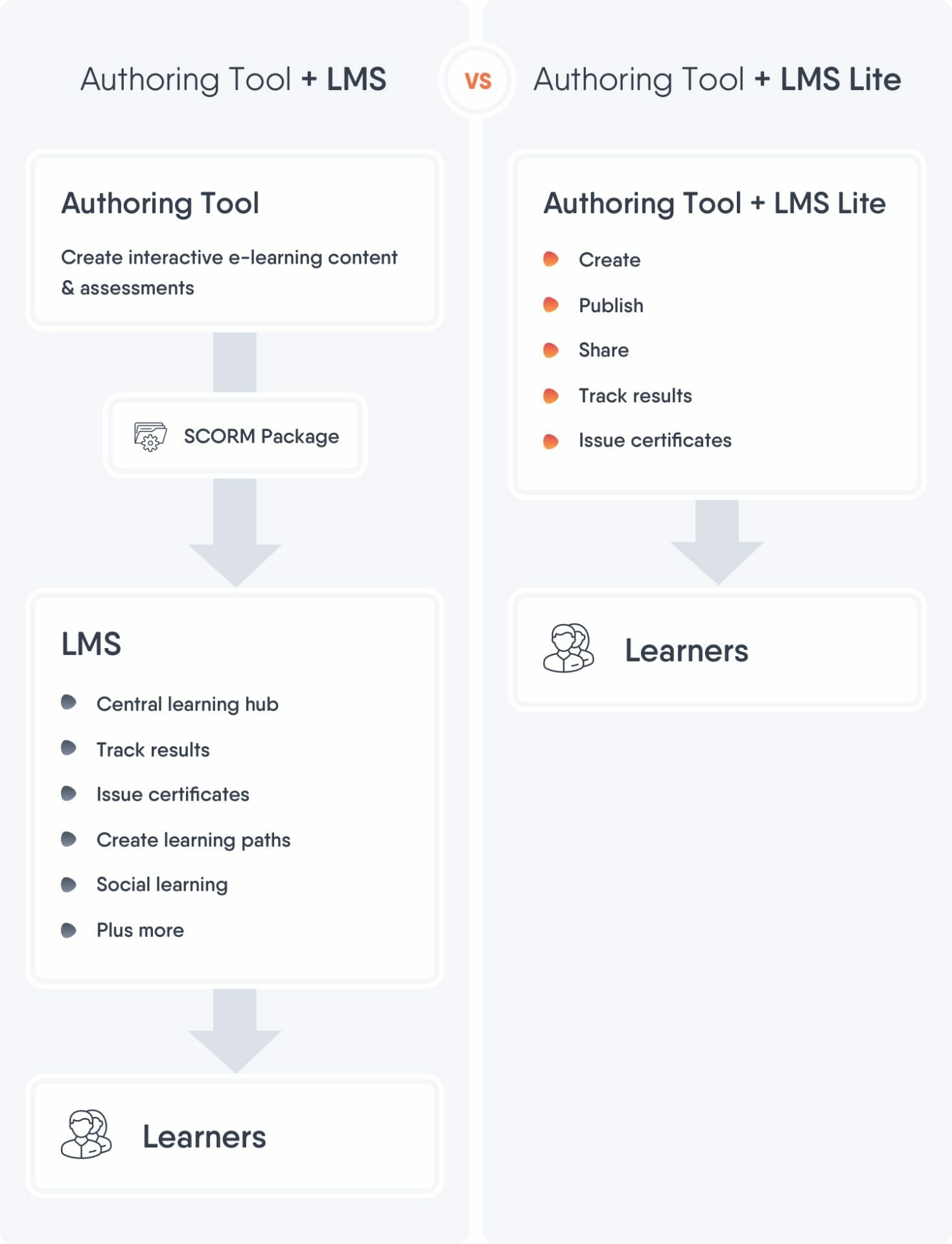
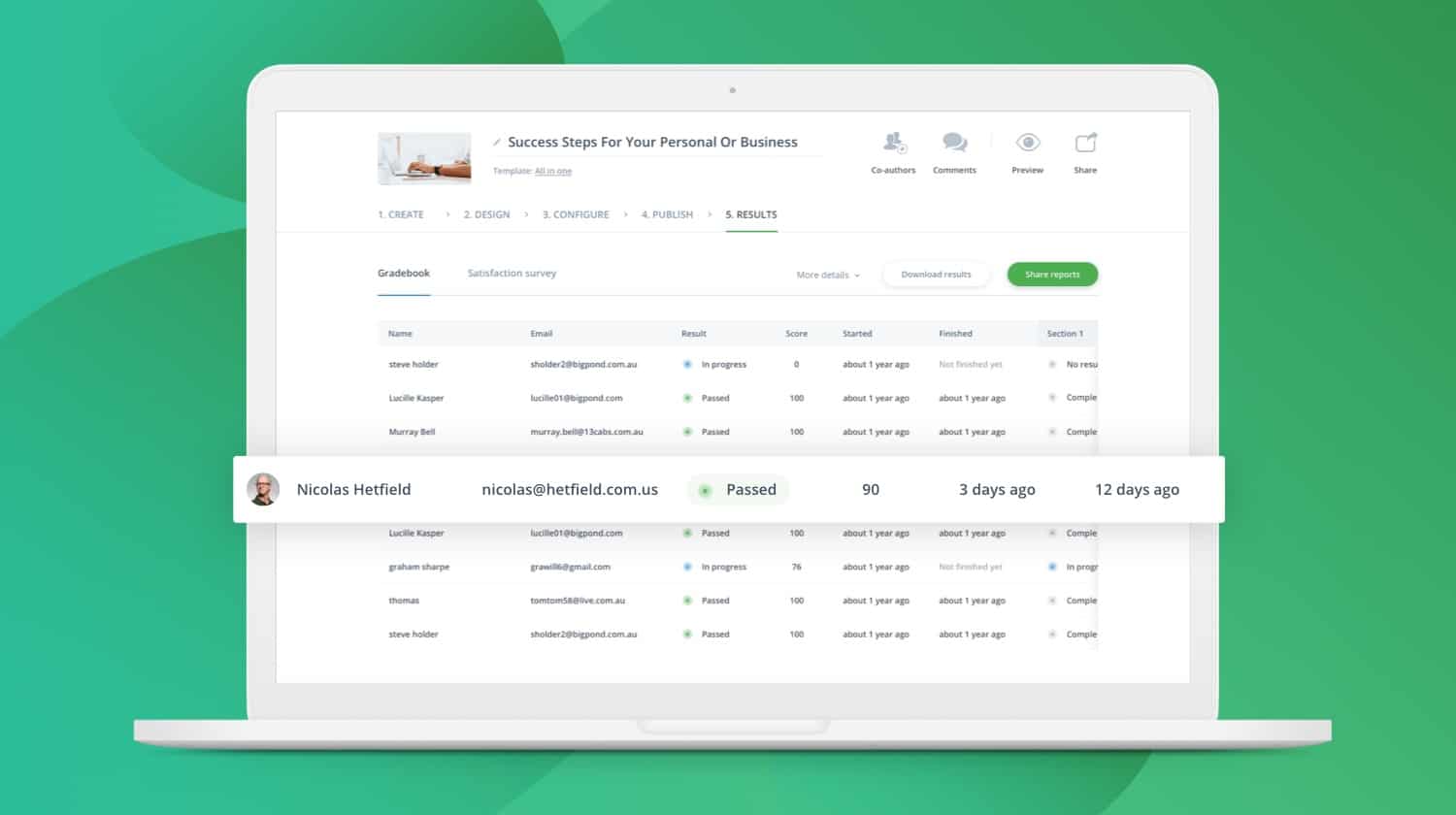
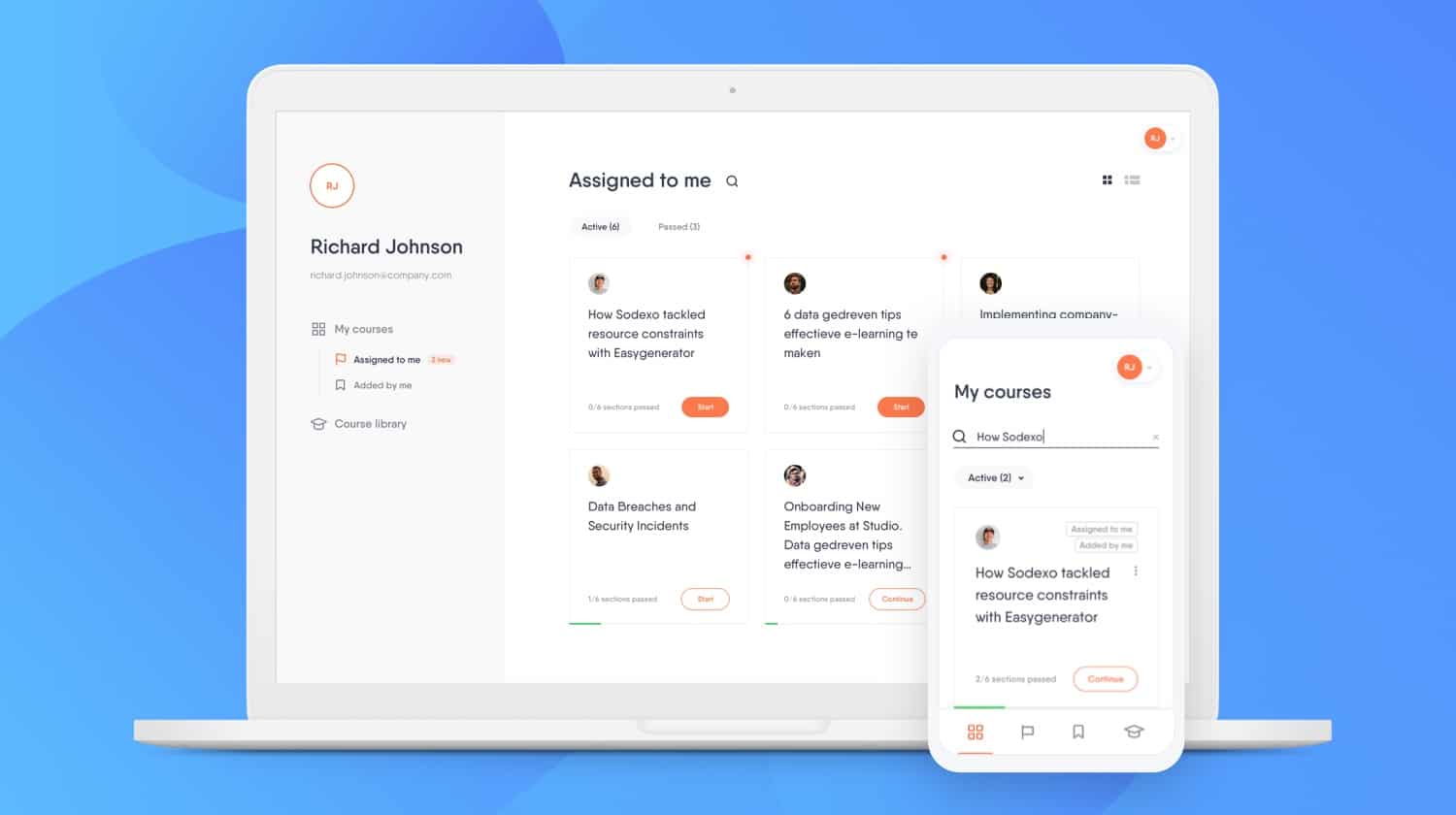
An LMS-light is a learning platform with only the main functions of an LMS: course hosting and result tracking. Some authoring tools like Easygenerator offer LMS-light features for companies that either don’t have an LMS or have learners who can’t access the company LMS, like contractors.
With so many types of LMS software available, it’s important to understand the differences and opt for the one that best suits your organization’s needs.